

Minimalist Home Decor Guide to Modern Interior Design 2026

About three times agone, I looked around my living room and realized I had no idea what I was looking at. Not literally — I knew what the effects were. But why were they there ? That large gamble pillow with the pattern I did not indeed like. The shelf unit crammed with ornamental particulars I’d dusted exactly zero times. The wall color that looked fully different depending on the light. It hit me that nearly between Pinterest scrolling and impulse purchases, my space had stopped being mine.
That is when I started paying attention to minimalist home decor — not the Instagram-perfect, sterile- looking kind, but the real, mortal interpretation where you actually want to spend time. This journey led me to create what I now call my guide to modern interior design 2026, a philosophy that changed how I suppose about my entire home.
If you are drowning in clutter, exhausted from maintaining effects that do not serve you, or just tired of decorating trends that feel concave, then this minimalist home decor: guide to modern interior design 2026 is what I have learned. It’s about being purposeful with your space.
The Real Difference Between Minimalism and Empty Apartments
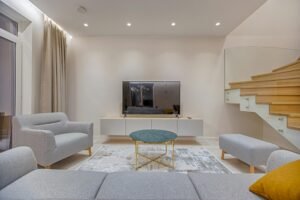
Let’s be honest minimalism sounds like it means having nothing, retaining nearly nothing, living in a white box. That is not it at all. The factual practice is about being purposeful. It’s about girding yourself with effects that either function beautifully or make you authentically happy and letting go of the rest without guilt.
The difference between minimalist design and just. meager apartments? Warmth. Minimalist spaces still have personality. They just do not have the noise. You walk in and you can breathe a little.
What changed for me was realizing that minimalism is not about privation. It’s about curation. It’s about choosing quality over volume, which actually feels like a radical act when you are used to consuming constantly.
Start With What Actually Bothers You

Then is the thing about redesigning your space you do not need to throw everything out and start over. You do not need to follow some rigid system or live by rules that do not fit your life.
Start lower. Look at the areas that authentically irritate you. For me, it was the kitchen counter. We had a toaster oven, a coffee maker, a instrument holder, a factory, a candle, some arbitrary correspondence, and presumably seventeen other effects all contending for the same six elevation of space. Every morning felt like navigating an handicap course.
So I moved everything except the coffee maker. Put the toaster oven in a press. dislocated the implements. That one change — just clearing one counter — made the entire room feel different. Not fancy. Not nominated. Just. functional and comforting.
The Minimalist force Process
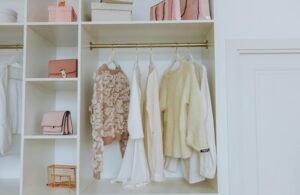
What helped me was being honest about what I actually use. Not what I might use eventually. Not what I paid a lot of plutocrat for. What I actually, authentically use.
I started going through one order at a time — books, kitchen particulars, ornamental pieces, clothes. For each thing, I asked Do I use this? Does it work well? Do I like how it looks? If the answer was” not really” to any of those, I let it go.
It was not dramatic. It was not a weekend purge. It was gradational, which actually made it stick.
Color, But Make It purposeful
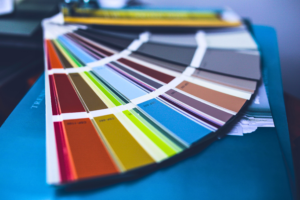
One thing that surprised me about minimalist design is that you are not confined to white, argentine, and faceless however if that is your preference, absolutely go for it. The idea is that the colors you choose have purpose rather than being defaulted grounded on trends.
In 2026, I am seeing people choosing palettes that actually reflect who they are. Warm terracottas. Deep watercolor. Soft savant. People are not just painting their walls aimlessly presently; they are opting colors that coordinate with the many pieces they are keeping.
The practical benefit? When you have lower stuff, the colors come the background. They define the feeling of the space without contending with a hundred other visual rudiments. Your eye can actually rest.
Furniture That Earns Its Keep

One affordable option I have seen work well is investing in smaller pieces of advanced quality rather than filling every corner. A solid wood table that you actually love looks better and lasts longer than three cheap side tables you tolerate.
This is where minimalist design gets real. You are being more picky, which means you are frequently spending further per point. But you are buying lower, so it actually evens out — and you end up with pieces that do not vanish in tips in two times.
ChancingMulti-Functional Pieces
The stylish cabinetwork in a minimalist home does double duty. A beautiful storehouse bench. A office that does not scream” office.” A shelving unit that displays and stores contemporaneously without looking cluttered.
When you are only keeping what you need, the effects you do keep have to pull their weight. That is not restrictive — that’s liberating. It forces you to choose effects that are authentically useful and authentically beautiful.
The Subtle Psychology of Less Stuff
You might not realize this, but there is actually a measurable difference in how you feel in a minimalist space versus an gorged bone. It’s not magic; it’s psychology. Visual clutter creates internal clutter. When there are smaller effects contending for your attention, your brain has smaller opinions to make just by being in the room.
I noticed I was calmer. lower anxious. Not because of minimalism as a gospel, but because my physical space was not constantly making low- position demands on my attention.
This carries over to cleaning and conservation too. Smaller effects means lower to smoke, reorganize, and maintain. That is not boring — that’s time you get back.
Creating Depth Without redundant
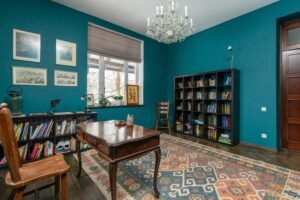
The hardest part of minimalist design is making spaces feel curated rather than meager . This is where thoughtlessness matters.
A single large factory in the corner. One statement piece of art on the wall. A precisely chosen set of books on a shelf — arranged by color, actually, or just the bones you actuallyre-read. A textured gamble mask folded on the settee.
These are not minimum spaces . They are minimum in the number of particulars but rich in intentionality. The difference is presence. However, if it matters to you, one thing can carry further weight than ten, If you’ve chosen it.
Lighting Changes Everything
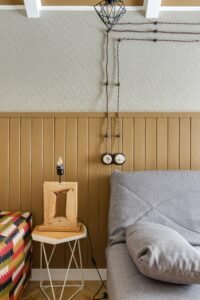
And actually? Minimalist spaces profit largely from good lighting. When you have lower décor, lighting becomes more important. Good natural light during the day, warm artificial light in the evening — these actually come part of your design strategy.
I switched out harsh outflow lights for bottom lights in corners and added a dimmer switch. The space felt fully different incontinently. Warmer. further inviting. The cabinetwork that was there suddenly felt like the right choices.
The Realistic Timeline
Let me be clear you do not catch your home in a weekend. The minimalist makeover that sticks is the gradational bone. You change one room, live with it for a many weeks, notice what you actually miss, also move to the coming area.
For some people, that takes months. For others, it takes a time or further. And that is impeccably fine. The thing is not speed. It’s ending up with a space that feels like you — not like you are performing minimalism.
Small Spaces Benefit Most

still, minimalist design is not just aesthetic it’s practical, If you are living in an apartment or lower home. Every inch matters. Choosing smaller, smarter pieces means your space actually feels bigger and further functional.
One thing I have noticed in people’s minimum apartments is that they tend to be happier with their living situation. Not because they enjoy less as some moral station, but because their space actually works for them rather of against them.
Making It Last
The trick to sustainable minimalist living is being honest when commodity’s not working. However, commodity old requirements to leave, If you bring commodity new in. This sounds rigid, but it actually keeps you from sluggishly accumulating clutter again.
You are not depriving yourself of effects you need or want. You are just staying conscious about it. And that little bit of knowledge? It changes everything.
The Real thing
Then is what minimalist home scenery in 2026 really comes down to spaces that serve beautifully, bring you lower to maintain, and actually make you feel good to be in. Not because you are following a trend or proving commodity to yourself, but because you’ve been purposeful about what deserves to be there.
It’s not about retaining nothing. It’s about retaining effects that count. And when you shear down everything differently, suddenly you notice what does. A good coffee mug. Natural light through clean windows. A president that is actually comfortable. The effects you formerly overlooked come the effects you appreciate daily.